
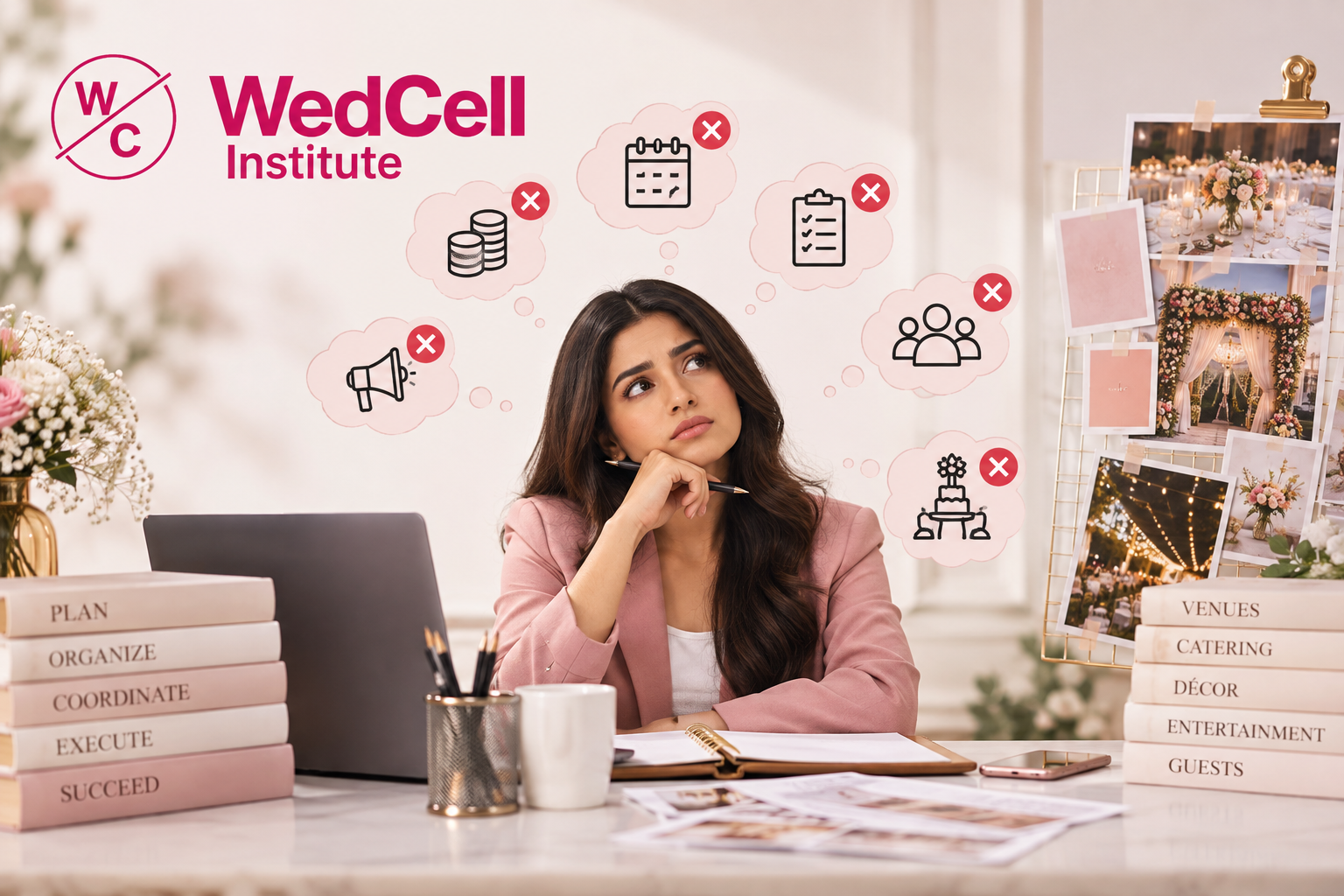
Starting a career in event planning can be exciting. You get to work with creative ideas, different people, venues, vendors, and memorable celebrations. But event planning also comes with pressure and responsibility. A small mistake in planning can sometimes affect the entire event. For beginners, making a few mistakes is part of learning. The important thing is to understand 10 Common Mistakes Beginner Event Planners , common problems and try to avoid them as you gain experience.
An event planner has to manage many things at the same time. Depending on the event, this can include the budget, venue, décor, catering, guests, entertainment, production, vendors and timeline.
| Event Area | What the Planner Manages |
| Budget | Expenses, quotations and payments |
| Venue | Availability, setup and facilities |
| Vendors | Coordination and deliverables |
| Guests | Invitations, registration and hospitality |
| Décor | Theme, design and setup |
| Production | Sound, lighting and stage |
| Timeline | Activities, deadlines and event flow |
Because there are so many moving parts, good organization is essential.
Having a good idea is not enough. You need to know what needs to happen, who is responsible, how much it will cost and when each task must be completed.
A simple event plan can include the event objective, budget, guest count, venue, vendors, schedule and responsibilities.
Tip: Create a master checklist before starting the actual execution.
It is easy to become excited about beautiful décor, entertainment or premium venues. But if spending is not controlled, the budget can quickly increase.
A beginner event planner should understand the client’s budget before making recommendations.
| Budget Category | What to Track |
| Venue | Rental and additional charges |
| Catering | Per-person cost and service |
| Décor | Stage, flowers and installations |
| Production | Sound, lighting and equipment |
| Entertainment | Artists and performers |
| Hospitality | Rooms and transportation |
| Miscellaneous | Unexpected expenses |
Always keep some amount aside for unexpected costs. Events can bring surprises, and having a financial buffer can help.
A vendor may have attractive photographs online, but that does not always tell you everything about their work.
Before selecting a vendor, check their previous projects, pricing, availability, communication and what exactly is included in their quotation.
Reliable vendor coordination is one of the most important event planning skills a beginner can develop.
Sometimes beginner planners assume they already understand what the client wants. This can create problems later.
Listen carefully to the client’s expectations. Ask questions about their budget, preferred style, guest profile, priorities and important requirements.
Good communication helps prevent misunderstandings and also makes the client feel more confident about the planning process.
Event planning is a team activity. A beginner may sometimes feel that handling everything personally will give better control. In reality, it can create unnecessary pressure.
One team member can handle guest management while another communicates with vendors. Someone else can monitor production or backstage activities.
Good teamwork allows the event planner to focus on bigger decisions.
Outdoor events can be affected by weather. A vendor may arrive late. Technical equipment may stop working. A speaker could cancel at the last minute.
A professional event planner should think about possible problems before they happen.
For example, an outdoor wedding should have an alternative arrangement for unexpected weather. Similarly, important presentations should have backup copies.
Problem-solving is not only about reacting to problems. It is also about preparing for them.
Beautiful décor can make an event look impressive, but décor is only one part of event planning.
A successful event also needs good hospitality, food service, entertainment, production, guest management and smooth coordination.
Beginners sometimes spend too much time thinking about how the venue looks and forget how guests will experience the event.
Small mistakes can become big problems on event day.
For example, incorrect guest numbers, missing signage, wrong seating arrangements or an incomplete vendor setup can create unnecessary stress. A final inspection is therefore important.
One mistake that beginners should especially avoid is thinking that the work ends when the guests leave.
What worked well? What went wrong? Which vendor performed well? Was the timeline realistic? Did the client feel satisfied?
This process can help you improve your event management skills for the next project.
The best way to improve is through a combination of learning and practical experience.
Professional event management training can help beginners understand planning, budgeting, vendor management, communication, production, hospitality and other important areas.
Practical projects and internships are also valuable because real events can teach lessons that are difficult to understand through theory alone.
Students interested in developing professional event management skills can explore courses and practical learning opportunities at WedCell Institute.
Mistakes will still happen because every event is different. What matters is how you respond to them and what you learn afterward.
Good event planners are not people who never face problems. They are professionals who know how to prepare, communicate, stay organized and find solutions when things change.
If you are beginning your journey in event management, focus on developing practical skills, gaining real event experience and learning from every project. With time, your planning, communication and decision-making abilities will become stronger.
1. What is the most common mistake made by beginner event planners?
Not having a detailed plan is one of the most common mistakes. A proper plan helps manage budgets, vendors, timelines, guests and responsibilities.
Budgeting helps planners control expenses and make sure the event stays within the client’s financial expectations.
Beginners can improve through professional training, internships, live projects, event volunteering and working with experienced event professionals.
Vendors handle many important parts of an event, including décor, catering, production and entertainment. Good coordination helps ensure everything is delivered correctly and on time.
Yes. Practical experience helps beginners understand how real events work, develop problem-solving skills and become more confident when handling event responsibilities.