
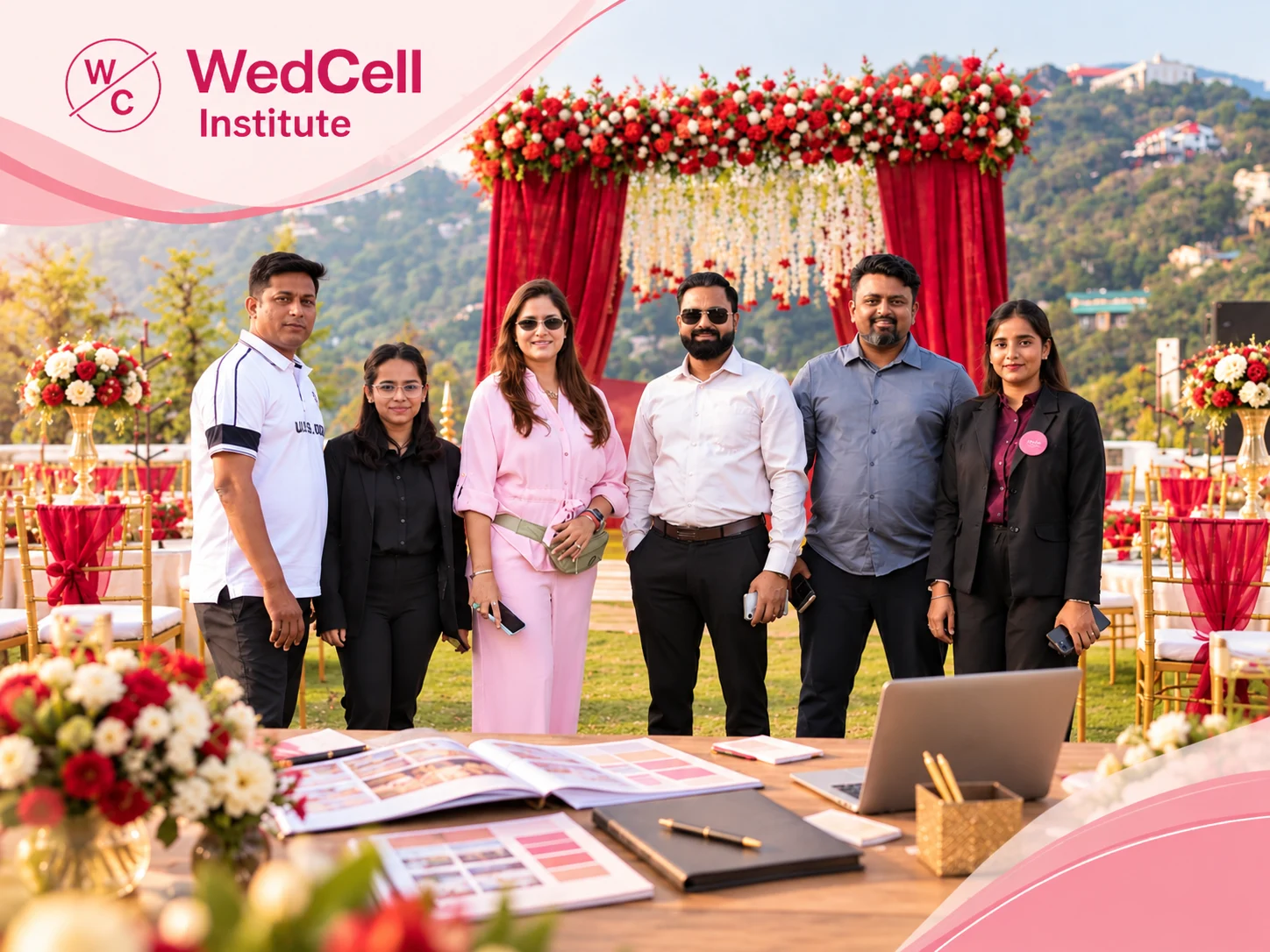
Planning an event is not only about choosing a beautiful venue, creating a theme, or inviting guests. Behind every successful event, there is a lot of coordination happening in the background. From transporting equipment and managing vendors to preparing the venue, checking timelines and making sure everything reaches the right place at the right time, Understanding Event Logistics Management plays an important role in event execution.
For students and beginners entering the event industry, understanding logistics is especially important because even a small delay can affect many other parts of an event.
Event logistics management is the process of planning, coordinating and controlling the practical movement of people, materials, equipment and services before, during and after an event.
Simply put, it is about making sure the right thing reaches the right place at the right time.
Someone has to coordinate all of this. That is where event logistics comes in.
| Logistics Area | What It Includes |
| Transportation | Moving equipment, décor and materials |
| Venue Setup | Tables, chairs, stage, décor and production |
| Vendor Coordination | Managing different suppliers and service teams |
| Guest Movement | Parking, arrivals, transfers and hospitality |
| Equipment | Sound, lighting, screens and technical items |
| Timelines | Coordinating setup and event schedules |
| Storage | Keeping materials safe before use |
| Breakdown | Removing equipment and materials after the event |
An event may look simple to guests, but many activities are happening at the same time behind the scenes.
If a vendor arrives late, the setup can get delayed. If the required equipment is missing, the production team may have to wait. If transportation is not planned properly, guests or staff may face unnecessary delays.
It also allows event managers to identify possible problems before they become bigger issues.
Transportation is one of the most important parts of event logistics.
Equipment, décor materials, furniture, staff, artists and sometimes guests may need transportation.
An event manager needs to understand what needs to be transported, where it needs to go and when it needs to arrive.
For destination weddings, transportation can become even more detailed because guests may need airport transfers, hotel transfers and venue transportation.
The venue needs to be prepared according to the event plan.
This may include:
After the event, the same process happens in reverse. Equipment and materials need to be removed safely and the venue needs to be handed back according to the agreed timeline.
A wedding may have decorators, caterers, photographers, makeup artists, entertainment teams, production companies, transportation providers and hospitality staff.
Each vendor has different requirements and timings.
| Vendor | Possible Logistics Requirement |
| Decorator | Flowers, furniture, fabrics and installation time |
| Caterer | Kitchen access, food supplies and service equipment |
| Production Team | Sound, lights, screens and power requirements |
| Photographer | Equipment and access to event areas |
| Entertainment | Artist requirements, backstage and technical setup |
| Hospitality Team | Guest lists, transport and coordination |
A good event logistics manager keeps communication clear between all these teams.
Lighting fixtures, microphones, speakers, LED screens, generators, furniture, décor materials, cables and
echnical equipment all need to be tracked.
An equipment checklist can help prevent missing items.
| Equipment | Quantity | Arrival Time | Checked |
| Microphones | 4 | 2:00 PM | ✓ |
| Speakers | 4 | 1:30 PM | ✓ |
| LED Screen | 1 | 12:00 PM | ✓ |
| Stage Furniture | As required | 10:00 AM | ✓ |
| Lighting | As required | 11:00 AM | ✓ |
Simple systems like this can make event operations much easier.
For weddings and corporate events, planners may need to coordinate airport pickups, hotel check-ins, parking, shuttle services, welcome desks, luggage assistance and guest movement.
The goal is to make movement feel easy for the guest, even though there may be a lot of coordination happening behind the scenes.
Communication, teamwork, time management and problem-solving are equally important.
| Skill | Why It Matters |
| Time Management | Keeps activities on schedule |
| Communication | Helps teams coordinate clearly |
| Problem-Solving | Helps handle unexpected situations |
| Organization | Keeps information and materials under control |
| Teamwork | Events involve multiple teams |
| Attention to Detail | Small mistakes can affect execution |
| Negotiation | Helps when working with vendors |
| Quick Decision-Making | Useful during event-day situations |
These skills become stronger through practical experience and real event exposure.
Reading about logistics is useful, but event management is a practical field. Students can understand much more by seeing how real events are prepared and executed.
Live projects, internships and practical assignments can help students understand vendor coordination, event timelines, venue setup, guest movement and on-ground problem-solving.
At an event management institute, students can also learn how different departments work together during an actual event.
Understanding Event Logistics Management is essential for anyone who wants to build a career in the event industry.
Beautiful décor and creative concepts may attract attention, but proper logistics helps turn those ideas into a functioning event.
From transportation and vendor coordination to equipment management, venue setup and guest movement, every small detail contributes to the overall execution.
The more practical exposure an aspiring event professional gets, the easier it becomes to understand how these different pieces fit together.
Good logistics is often the part guests don’t notice because when it is planned properly, everything simply seems to happen at the right time.
Event logistics management involves planning and coordinating the movement of people, equipment, materials, vendors and services required for an event.
Logistics helps coordinate practical activities such as transportation, venue setup, vendor arrival, equipment management and guest movement.
An event logistics manager may coordinate vendors, transportation, equipment, venue setup, schedules, staff movement and other operational requirements.
Important skills include communication, organization, time management, teamwork, problem-solving, attention to detail and quick decision-making.
You can learn through event management courses, practical assignments, internships, live event projects and hands-on industry exposure.