
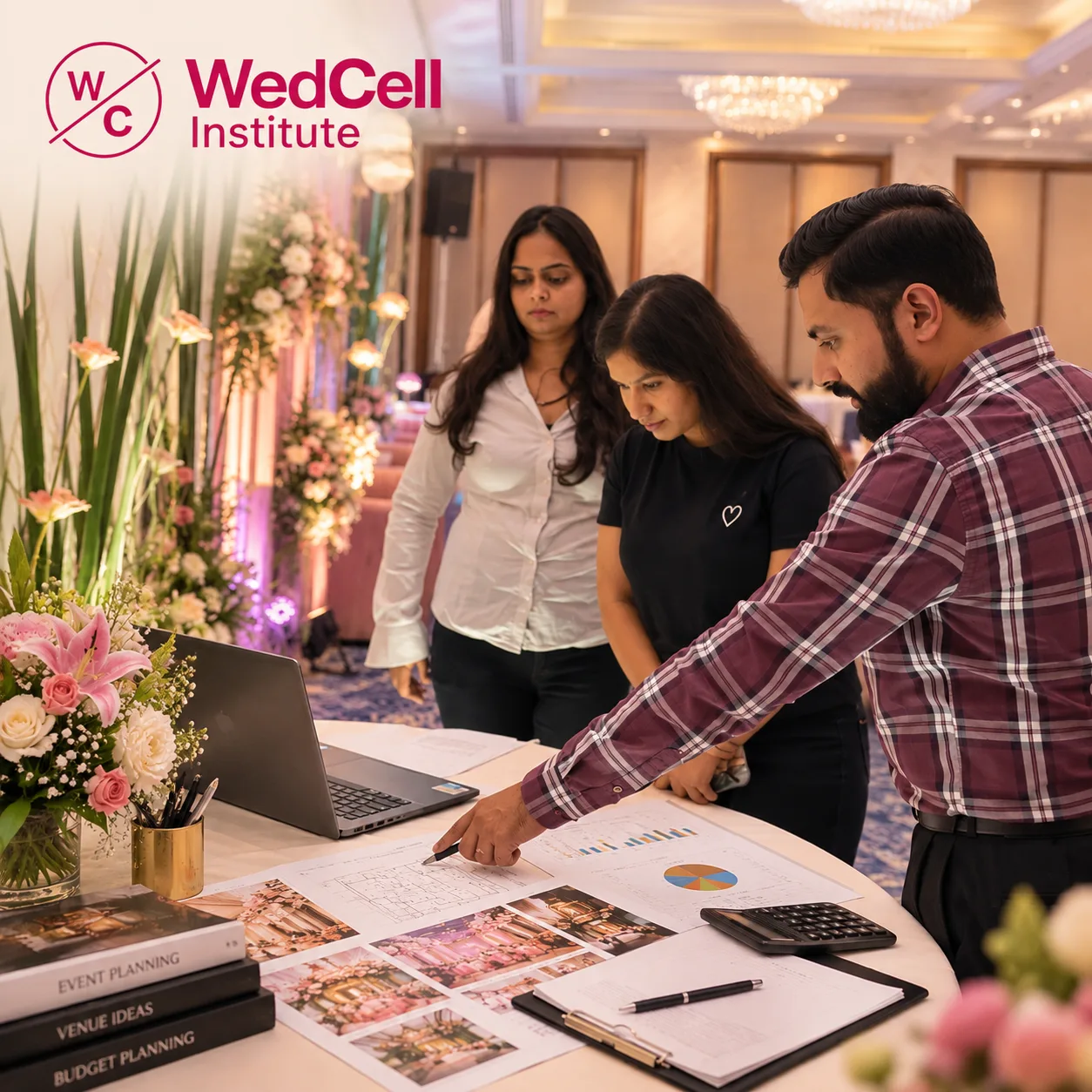
Planning an event can be exciting, but managing the money behind it is one of the most important parts of successful event planning. You may have a great theme, beautiful décor and an impressive venue, but without proper Event Budgeting, costs can quickly get out of control.
For beginners, budgeting may feel confusing at first. Where should you start? How much should you keep for décor? What about catering, entertainment, transportation or unexpected expenses?
This guide explains Event Budgeting in simple terms and helps beginners understand how to create, manage and track an event budget.
Event Budgeting is the process of estimating, planning and controlling the money required to organise an event.
An event budget gives you a clear idea of:
| Budget Area | What It May Include |
| Venue | Hall, hotel, outdoor location |
| Décor | Flowers, stage, furniture, lighting |
| Catering | Food, beverages, service staff |
| Entertainment | DJ, singer, performers, artist |
| Production | Sound, LED screens, lights, technical equipment |
| Photography | Photographer and videographer |
| Hospitality | Guest welcome, rooms, transportation |
| Marketing | Invitations, digital promotion, printing |
| Staff | Coordinators, security and support staff |
| Contingency | Emergency or unexpected expenses |
A good budget doesn’t mean spending less on everything. It means knowing where the money should go.
A detailed event budget helps planners make practical decisions before spending begins.
For example, if your total budget is ₹10 lakh and you already allocate ₹5 lakh to the venue and catering, you know that the remaining amount needs to cover décor, entertainment, production and other requirements.
Without this calculation, it is easy to spend too much during the early planning stages.
Budgeting also helps with vendor management, client communication, event planning and financial control.
Before creating numbers, understand the event properly.
Ask basic questions such as:
The answers will give you a starting point for your event budget planning.
Instead of keeping one large amount, divide your budget into smaller categories.
These figures are only an example. Actual costs depend on the event, location, guest count, vendors and client requirements.
For a wedding, the client may focus heavily on décor, catering and entertainment. For a corporate conference, venue, production, branding and technology may require more attention.
A beginner should understand the difference between essential expenses and optional expenses.
| Essential Expenses | Optional Expenses |
| Venue | Extra décor elements |
| Catering | Additional entertainment |
| Basic production | Premium upgrades |
| Staff | Luxury add-ons |
| Guest management | Special experiences |
This makes it easier to adjust the budget when the client has a limited amount to spend.
Never create an event budget based only on assumptions.
Speak with vendors and request quotations for the required services. Compare their prices, inclusions, taxes, setup charges, transportation and additional costs.
For example, a décor quotation may look affordable initially, but transportation, installation and dismantling charges could be separate.
A professional event planner should always understand what is included before confirming a vendor.
A vendor may require additional equipment. The event schedule might change. Extra transportation may be needed. A client could request a last-minute addition.
Keeping a contingency amount gives the planner some flexibility. The exact amount should depend on the event and its level of uncertainty.
Creating a budget is only the beginning. You also need to track actual spending.
| Expense | Planned | Actual | Difference |
| Venue | ₹2,00,000 | ₹2,00,000 | ₹0 |
| Décor | ₹1,50,000 | ₹1,60,000 | +₹10,000 |
| Catering | ₹2,00,000 | ₹1,95,000 | -₹5,000 |
| Entertainment | ₹75,000 | ₹80,000 | +₹5,000 |
This makes it easier to see where the budget is going and where adjustments are needed.
One common mistake is creating a budget without understanding the complete event requirement.
Another mistake is forgetting small expenses. Printing, delivery, staff meals, transportation, overtime and equipment charges may look small individually, but together they can make a noticeable difference.
Beginners should also avoid confirming vendors without checking their quotations carefully.
Most importantly, don’t promise something to a client before checking whether it fits the available budget.
Event budgeting is easier to understand when students get practical exposure.
An Event Management Course can introduce students to budgeting, vendor quotations, client requirements, event proposals and financial planning. Practical projects can also help students understand how budgets work during real events.
Students interested in becoming event planners should learn budgeting alongside event planning, vendor management, client handling, décor, production and event execution.
Event Budgeting is the process of planning, estimating and controlling the expenses required to organise an event.
It can include venue, catering, décor, production, entertainment, photography, transportation, staff, marketing and contingency expenses.
There is no single amount for every event. Many planners use a percentage of the planned budget as a starting point, depending on the event’s complexity and uncertainty.
Vendor quotations help planners understand actual costs, compare options and identify what is included or excluded before making commitments.
Yes. Beginners can develop budgeting skills through event management courses, practical assignments, internships, live projects and real event exposure.
Event Budgeting is one of the most useful skills for anyone entering the event industry. A well-planned budget gives you better control over expenses and helps you make smarter decisions throughout the event.
Start with the event requirements, divide expenses into categories, collect vendor quotations, keep a contingency amount and track actual spending. With practice, budgeting becomes much easier and more natural.
For aspiring event professionals, learning financial planning along with practical Event Management Skills can create a stronger foundation for working on weddings, corporate events and other celebrations.