
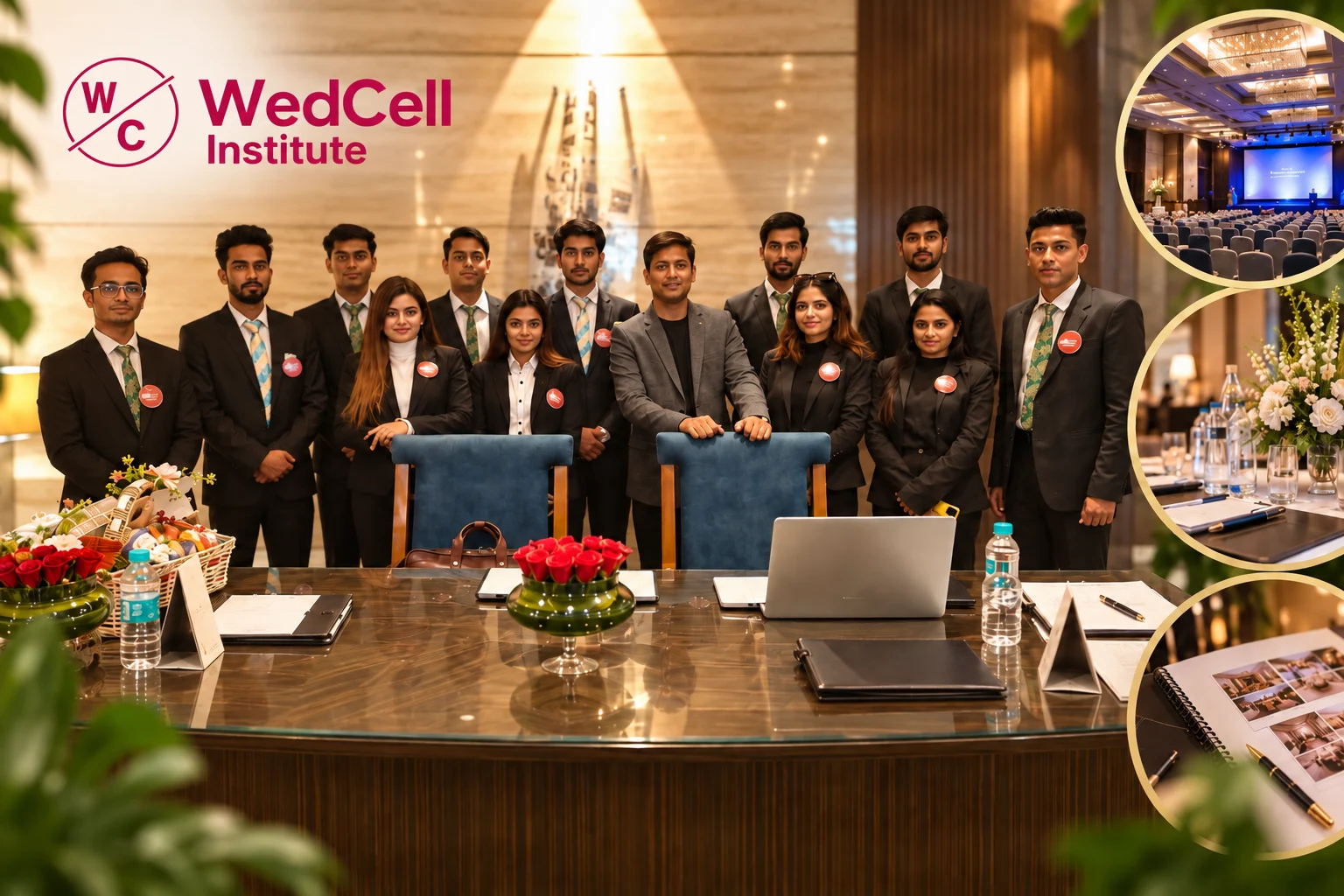
Creating an event proposal is an important skill for every event planner. A good proposal does more than list prices and services. It explains the event idea, shows the client how you will manage it, and gives them a clear picture of what they can expect. If you are new to event planning, learning How to Create a Professional Event Proposal can help you communicate with clients in a more organised and professional way.
An event proposal is a document prepared for a client that explains how an event planner or event company plans to organise an event.
It normally includes information about the event concept, services, timeline, estimated budget, venue requirements and other important details.
Before preparing an event proposal, understand what the client actually wants.
Do not start by copying the same proposal for every client. A corporate conference and a wedding have very different requirements.
Ask about the event date, guest count, venue, budget, theme, services required and overall expectations.
| Requirement | Information to Collect |
| Event Type | Wedding, corporate, social, exhibition etc. |
| Date | Event date and important functions |
| Venue | Confirmed or proposed venue |
| Guests | Expected number of guests |
| Theme | Colours, concept or design |
| Catering | Food and beverage requirements |
| Décor | Stage, entrance, tables and other areas |
| Entertainment | DJ, artist, performances etc. |
| Production | Sound, lighting, LED and stage |
| Budget | Approximate client budget |
The more clearly you understand the requirement, the more relevant your proposal will become.
The first page creates the client’s initial impression of your company.
Start with a short introduction about your event company and explain why you are preparing the proposal.
Keep it simple and professional instead of filling the page with too much information.
The introduction should make the client feel that you understand their event.
The event overview gives a quick summary of the project.
Mention the event type, date, venue, expected guest count and the main objective.
For example:
Event: Corporate Annual Conference
Date: 15 November 2026
Venue: Delhi
Expected Guests: 250
Objective: Professional conference with networking and award presentation
This makes the proposal easy to understand before the client goes into the detailed sections.
Explain the proposed theme, visual direction and overall experience. For a wedding, this could include floral décor, colours, stage design and guest experience.
For a corporate event, the concept may focus more on branding, professional presentation, stage production and networking. Use reference images or mood boards when they genuinely help the client understand the idea.
Clients should not have to guess what is included.
Create a clear event planning services section that explains exactly what your company will manage.
| Service | Scope |
| Event Planning | Overall planning and coordination |
| Décor | Stage, entrance and venue décor |
| Production | Sound, lighting and LED |
| Catering | Food and beverage coordination |
| Entertainment | Artist or DJ coordination |
| Guest Management | Registration and hospitality |
| Photography | Event photography and videography |
| Logistics | Transportation and vendor movement |
If something is not included, mention it clearly. This can prevent confusion later.
A professional event proposal should give the client an idea of how the project will progress.
The timeline doesn’t need to include every small task. Focus on important milestones.Timelines can change depending on the size and complexity of the event.
Budgeting is one of the most important parts of event management.
Break the estimated cost into understandable categories rather than giving the client one large number without explanation. These figures are only an example. Actual pricing should be based on the event requirements, vendor quotations and applicable taxes.
Mention whether taxes, transportation, overtime or additional services are included.
Payment terms should be written clearly.
For example, your proposal may explain the advance amount required for confirmation, subsequent payment milestones and the final payment deadline.
The exact structure depends on your business policies and the project.
Also include cancellation, postponement and refund terms where applicable.
Clear terms help both the client and event company understand their responsibilities.
Clients want to know who will actually handle their event.
Add key team members and their responsibilities.
| Team Role | Responsibility |
| Event Manager | Overall event coordination |
| Production Manager | Sound, lighting and technical setup |
| Décor Coordinator | Décor and design execution |
| Hospitality Lead | Guest management |
| Vendor Coordinator | Vendor communication |
| Client Servicing Manager | Client communication |
This also shows that event execution is a team effort.
A portfolio can make your proposal more convincing because clients can see examples of your previous work.
Include relevant photographs, event types, venues or short project descriptions where appropriate.
If you have managed weddings, corporate events, conferences or destination events, show work that is similar to the client’s requirement.
Do not overload the proposal with dozens of photographs. Select relevant examples.
Learning How to Create a Professional Event Proposal is an important part of becoming a successful event planner.
A proposal is not just a document with prices. It is an opportunity to demonstrate your understanding, creativity, planning ability and professionalism.
Start with the client’s requirements, explain your concept clearly, provide transparent pricing and make responsibilities easy to understand. When the proposal is simple and well organised, the client can make decisions with greater clarity.
A strong proposal sets the foundation for better communication and smoother event planning from the first discussion to the final execution.
A professional event proposal can include the event overview, concept, services, timeline, budget, team details, previous work, payment terms, terms and conditions and next steps.
There is no fixed length. It should contain enough information for the client to understand the project without becoming unnecessarily complicated.
Yes. If pricing is ready, provide a clear estimate or quotation with the services and inclusions explained properly.
You can use a standard structure, but the content should be customised according to each client’s event, requirements, budget and expectations.
An event proposal helps the client understand the planned services, estimated costs, event concept and execution approach before confirming the project.