
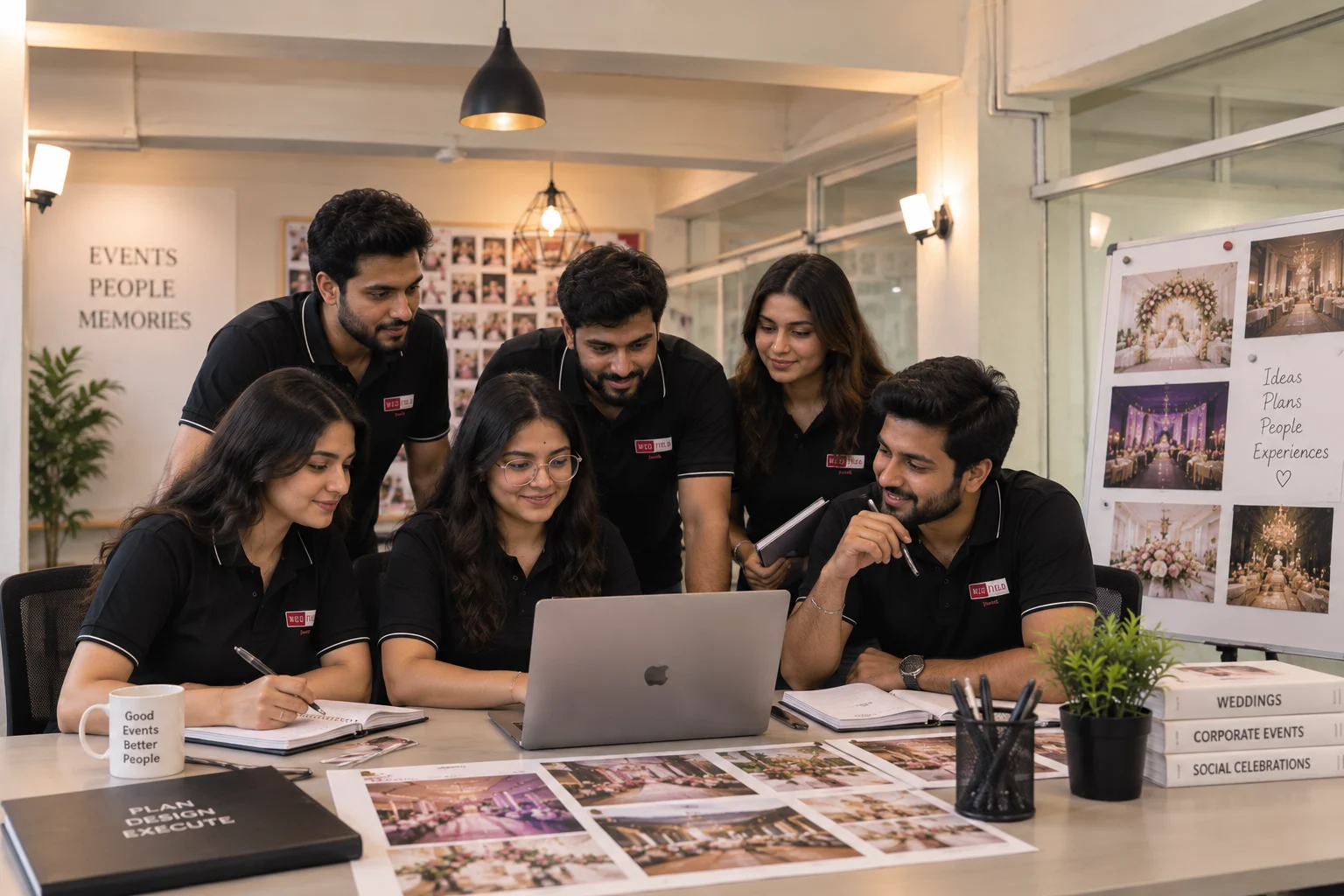
The event industry has changed a lot in recent years. Event Management Career are becoming more personalized, companies are investing in conferences and experiences, and social events are getting more creative. Behind every successful event, there is a team working on planning, budgeting, vendors, production, hospitality and guest experience.
For students who enjoy creativity, communication, planning and working with people, event management can be an interesting career path. But before choosing this field, it is important to understand the jobs, required skills, salary expectations and future opportunities.
An Event Management Career involves planning, organizing and executing different types of events. These can include weddings, corporate conferences, exhibitions, product launches, award functions, concerts, social celebrations and destination events.
An event professional may work behind the scenes for weeks or months before the actual event takes place.
The work can involve client meetings, venue research, budgeting, vendor coordination, décor planning, production, guest management and event-day execution.
One reason students are attracted to event management is the variety of work. Every project can be different.
One week you might be working on a corporate conference, while another project could involve a wedding or product launch. The people, venue, theme, budget and requirements can change every time.
There are several career paths within the event industry. You do not always need to start directly as an Event Manager.
| Job Role | Main Responsibility |
| Event Coordinator | Supports planning and event execution |
| Event Executive | Handles day-to-day event activities |
| Wedding Planner | Plans and coordinates wedding celebrations |
| Corporate Event Executive | Works on conferences and corporate events |
| Event Production Executive | Coordinates technical and production requirements |
| Client Servicing Executive | Communicates with clients and manages requirements |
| Event Marketing Executive | Handles promotion and event marketing |
| Vendor Coordinator | Coordinates suppliers and service providers |
| Event Operations Executive | Manages on-ground operations |
| Event Manager | Oversees planning and execution of events |
The exact responsibilities can differ between companies.
The National Career Service, operated by India’s Ministry of Labour & Employment, provides a national platform for searching jobs by keyword, location, salary and other criteria. (NCS)
A wedding planner may coordinate décor, catering, entertainment, photography, invitations, guest requirements, hospitality, transportation and multiple wedding functions.
Large weddings can involve many suppliers and different venues, so planners need to stay organized throughout the process.
People interested in luxury and destination weddings can also explore specialized areas such as destination wedding planning, hospitality coordination and guest experience.
Corporate events are another important area of event management.
Companies organize conferences, exhibitions, seminars, product launches, employee events, award ceremonies and business meetings.
Corporate event professionals may work closely with company representatives, hotels, production teams, speakers, vendors and marketing departments.
This area can be suitable for people who enjoy structured planning, professional communication and project coordination.
Event management is a practical industry. You can understand the theory of vendor coordination in a classroom, but coordinating multiple vendors at a real event is a different experience.
Practical projects can help students understand timelines, communication, venue requirements and event-day pressure.
This is why students considering an Event Management Course should look beyond the syllabus and ask about practical training, live projects and internships.
Event companies use Instagram, YouTube, websites, paid advertising, email marketing and other digital channels to promote events and brands.
Because of this, learning basic digital marketing alongside event management can be useful.
For example, an event professional who understands content creation and social media can communicate event concepts more effectively and support promotional activities.
There is no single route into the event industry. Some people enter through internships, hospitality, marketing, production or related roles.
A good Event Management Course can introduce students to event planning, budgeting, décor, production, vendor management, hospitality, client handling and event marketing.
The value of a course depends on its curriculum, practical exposure and the experience students actually gain.
The future of event management is connected with changing consumer expectations and business needs.
People continue to organize weddings, celebrations and social gatherings. Businesses also need conferences, exhibitions, launches, employee events and brand experiences.
At the same time, event professionals are increasingly working with technology, social media and personalized experiences.
This means future professionals may need a combination of traditional event-planning skills and modern digital skills.
An Event Management Career is about much more than organizing parties. It involves planning, people management, budgeting, creativity, communication, problem-solving and execution.
In 2026, students have multiple directions to explore, from wedding planning and corporate events to production, hospitality and event marketing.
If you’re considering this career, start by learning the basics, gain practical experience and understand the kind of event work you enjoy.
Event management offers different career paths across weddings, corporate events, exhibitions, entertainment, hospitality and event marketing. Your opportunities will depend on your skills, experience, location and the type of role you pursue.
There is no fixed starting salary. It depends on the employer, city, job role, qualifications and practical experience. Salary-reporting platforms show wide variations even for people with similar job titles.
Communication, organization, time management, budgeting, negotiation, teamwork, creativity, client handling and problem-solving are important skills for event professionals.
Yes. Wedding planning is one of the areas you can explore after learning event management. Practical experience with décor, vendors, hospitality, guest management and wedding production can be especially useful.
The field covers several types of events, including weddings, corporate programs, exhibitions, entertainment and brand experiences. Professionals who continue developing practical, communication and digital skills can explore different areas of the industry.