Planning an event is much more than booking a venue and inviting guests. A successful event needs proper planning, communication, creativity and attention to small details. Whether you are organising a wedding, corporate event, conference, birthday party, exhibition or social gathering, several things need to work together. Understanding the Essential Elements of a Successful Event can help beginners plan events in a more organised way and avoid common last-minute problems.
Every event should have a clear purpose. Before starting the planning process, ask yourself what the event is actually trying to achieve.
For a corporate event, the objective could be networking, employee engagement or launching a product. For a wedding, the focus may be creating a memorable celebration for the couple and their families. A clear objective makes other planning decisions much easier.
Budget is one of the most important parts of event planning. A creative idea is useful, but it needs to fit within the available budget.
Start by deciding the maximum amount that can be spent. Then divide it across different event requirements.
Keeping a small emergency amount is useful because event requirements can change at the last moment.
The venue creates the foundation for the event. It should match the event type, guest count and budget.
Don’t select a venue only because it looks beautiful. Check its capacity, parking, accessibility, technical facilities, food arrangements, power supply and setup timings.
A venue visit is highly useful because photographs don’t always show practical details such as loading areas, backstage space or vendor access.
An event should be planned from the guest’s point of view.
Think about what happens when someone arrives at the venue. Is parking easy to find? Is the registration process smooth? Can guests easily find their seats? Is food accessible? Can they see and hear the stage properly?
These small details can have a big impact on how guests remember the event.
A good concept gives an event its identity. The theme should match the purpose, audience and venue.
For example, a wedding might use a pastel floral concept, while a corporate event could follow the company’s branding and professional colours.
A simple mood board can include colours, décor references, stage design, furniture, flowers, lighting and signage.
This also makes it easier for vendors to understand exactly what the event planner wants.
An event planner depends on several vendors. Depending on the event, these may include decorators, caterers, photographers, production companies, entertainers, transport providers and rental companies.
Vendor selection should consider quality, experience, pricing, communication and reliability rather than price alone.
Maintain a proper vendor database with contact details, services, quotations and previous work. It makes future planning much easier.
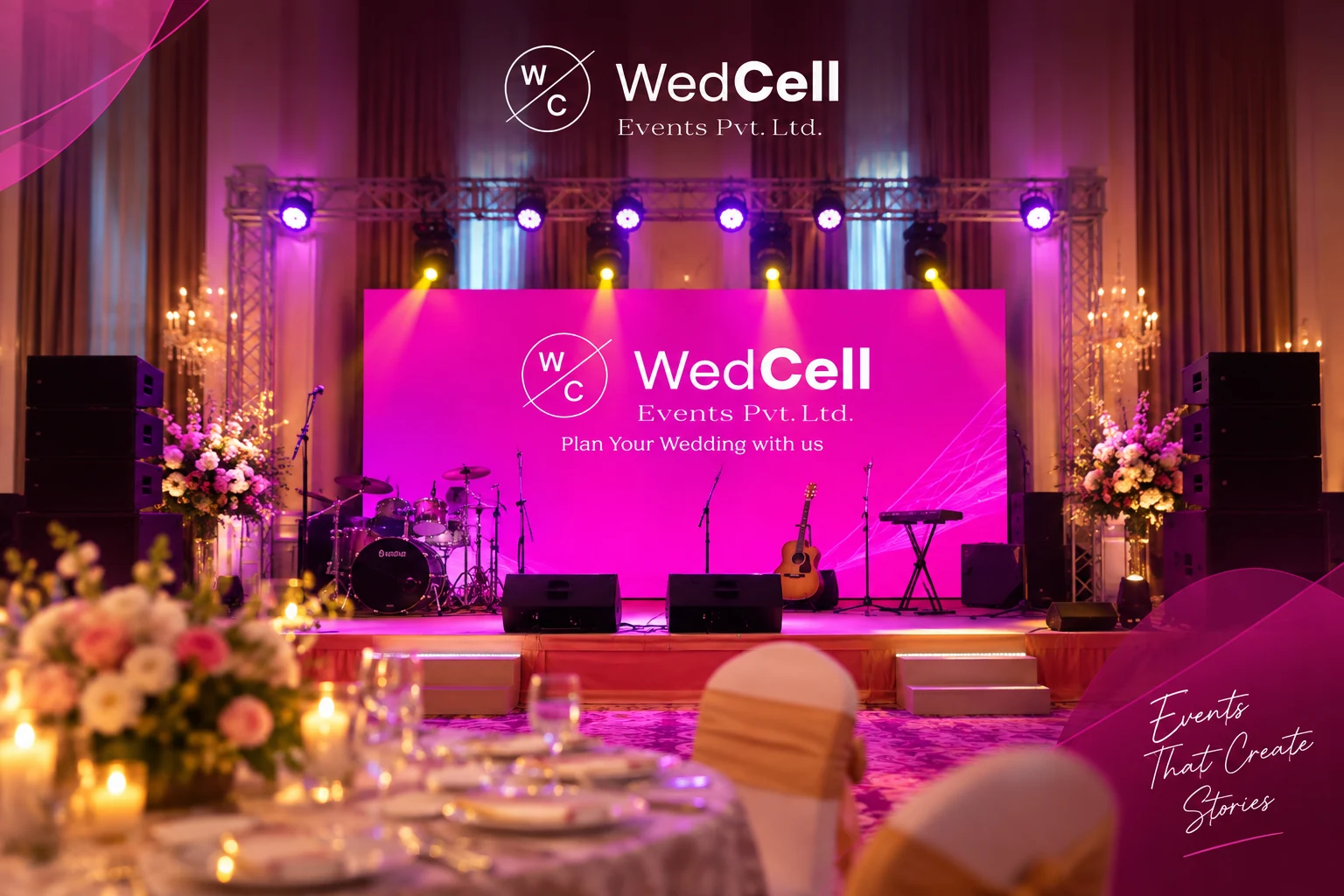
A beautiful stage will not be effective if the microphone doesn’t work or the lighting is poorly planned. Discuss technical requirements early and arrange equipment according to the venue.
For conferences and corporate events, check microphones, speakers, projectors, LED screens and presentation systems.
Communication is one of the most underrated elements of successful event management.
The client, event team and vendors should receive clear information about requirements, timings and responsibilities.
Important changes should be documented instead of depending only on verbal conversations.
For corporate events, branding can help create a consistent professional identity. For weddings and social events, décor can create the desired atmosphere.
Branding and décor can include stage backdrops, entrance areas, table settings, floral arrangements, LED screens and signage.
However, more decoration doesn’t always mean a better event. The design should match the venue and overall concept.
The menu should be planned according to the guest profile, event duration and budget. Consider vegetarian choices, dietary requirements and service arrangements where relevant.
Hospitality also includes welcome drinks, guest assistance, seating support and special arrangements for important guests.
The event experience starts before guests enter the main venue.
Think about parking, security, welcome desks, registration, signage and guest assistance. If the arrival process is confusing, guests may feel uncomfortable even before the main event begins.
Seating should be planned according to the event format and guest requirements.
For a conference, theatre-style seating may work well. For a wedding, banquet tables might be more appropriate. For workshops, classroom-style seating can make interaction easier.
Always consider visibility, movement space and accessibility.
Understanding the Essential Elements of a Successful Event is the first step toward becoming a better event planner. A successful event is not created by one beautiful decoration or one impressive performance. It comes from many small decisions working together.
From the first concept to the final guest departure, every stage needs planning and coordination. With practical experience, good communication and attention to detail, beginners can gradually develop the confidence and skills required to manage different types of events.
The major elements include a clear objective, realistic budget, suitable venue, guest planning, event concept, timeline, reliable vendors, production, team coordination, communication and contingency planning.
Budgeting helps control expenses and ensures that money is allocated properly across important event requirements such as venue, catering, décor, production and entertainment.
A good event experience combines smooth organisation, comfortable hospitality, engaging activities, good communication, suitable décor and efficient guest management.
Events can face unexpected situations such as weather changes, technical problems or vendor delays. A backup plan helps the team respond without creating unnecessary disruption.
Yes. An event management course can introduce students to event planning, budgeting, vendor management, décor, production, client handling and event execution. Practical projects and internships can also provide valuable real-world exposure.