Event Management Bachelor Degree: Skills Every Event Planner Must Learn
- March 9, 2026
- 6 Min Read



The event industry has grown rapidly over the past decade. From luxury weddings and corporate conferences to concerts and brand launches, events have become powerful experiences that connect people and create lasting memories. Because of this growth, many students are now choosing an event management bachelor degree to build a professional career in the industry.
An event planner’s role goes far beyond organizing gatherings. It requires creativity, planning skills, leadership, communication, and the ability to handle unexpected challenges. A well-structured event management bachelor degree program helps students develop these essential skills while gaining practical exposure to real events.
In this blog, we will explore the key skills every event planner must learn, the importance of professional training, and how the right institute can help students build a successful career in event management.
The event industry is one of the most exciting and dynamic career fields. It offers opportunities to work in weddings, corporate events, exhibitions, festivals, brand activations, and destination events.
Pursuing an event management bachelor degree allows students to understand the industry in depth while gaining the professional skills required to execute successful events.
Some major advantages of pursuing this degree include:
Professional knowledge of the event industry
Hands-on experience through internships and live events
Strong networking opportunities
Career opportunities in multiple event sectors
Development of leadership and management skills
With the right training and exposure, graduates can quickly establish themselves in the growing event management industry.
A successful event planner needs a combination of creative and managerial abilities. Let’s explore the most important skills students develop during an event management bachelor degree program.
Planning is the foundation of every successful event. Event planners must manage multiple tasks, timelines, and teams to ensure that every element runs smoothly.
Students pursuing an event management bachelor degree learn how to:
Plan event timelines
Create event checklists
Manage event logistics
Coordinate vendors and suppliers
Organize multiple event activities
These planning skills help event managers execute events efficiently without missing important details.
Events today are all about creating unique experiences. Whether it is a luxury wedding or a corporate brand launch, creativity plays a crucial role in designing memorable events.
During an event management bachelor degree program, students learn:
Theme creation and event concepts
Stage and décor ideas
Lighting and visual presentation
Guest experience design
Creative thinking helps event planners transform simple ideas into extraordinary experiences.
Communication is one of the most important skills for any event professional. Event planners interact with clients, vendors, sponsors, and team members throughout the event planning process.
Students develop strong communication skills to:
Understand client expectations
Coordinate with vendors
Manage event teams
Handle client presentations
Clear communication ensures that everyone involved in the event understands their roles and responsibilities.
Events often involve large budgets, and managing expenses effectively is a critical skill for event planners.
An event management bachelor degree teaches students how to:
Create event budgets
Allocate resources effectively
Negotiate with vendors
Control costs while maintaining quality
Proper budget management helps event planners deliver high-quality events without exceeding financial limits.
No event goes exactly as planned. Weather issues, technical problems, or last-minute changes can happen anytime.
Event planners must stay calm and solve problems quickly. During an event management bachelor degree program, students learn how to:
Identify potential risks
Create backup plans
Manage unexpected situations
Make quick decisions under pressure
Strong problem-solving skills help event planners maintain professionalism even during challenging situations.
Events involve collaboration with many professionals such as decorators, caterers, photographers, production teams, and venue managers.
Students pursuing an event management bachelor degree learn how to:
Coordinate with different vendors
Manage event teams
Delegate responsibilities
Ensure smooth communication between teams
Effective management ensures that all event elements work together perfectly.
Marketing is an essential part of many events, especially corporate events, exhibitions, and brand activations.
Event management students learn how to promote events using:
Digital marketing strategies
Social media promotion
branding and audience engagement
event publicity campaigns
These skills help event planners attract attendees and create successful events.
Graduates with an event management bachelor degree can explore multiple career opportunities across different industries.
Some popular career options include:
Responsible for planning and executing events such as weddings, conferences, and social gatherings.
Specializes in designing and managing wedding celebrations and related events.
Handles event logistics, scheduling, and team coordination.
Plans corporate meetings, product launches, seminars, and business events.
Manages stage setups, lighting, sound, and technical aspects of large-scale events.
Works on exhibitions, trade shows, cultural festivals, and public events.
The diversity of opportunities makes event management an exciting and rewarding career choice.
Event management is a practical field where real experience plays a crucial role in professional growth.
While theoretical knowledge provides a foundation, hands-on training helps students understand how events are actually executed.
Many modern institutes emphasize:
Live event participation
industry workshops
internship opportunities
real event production experience
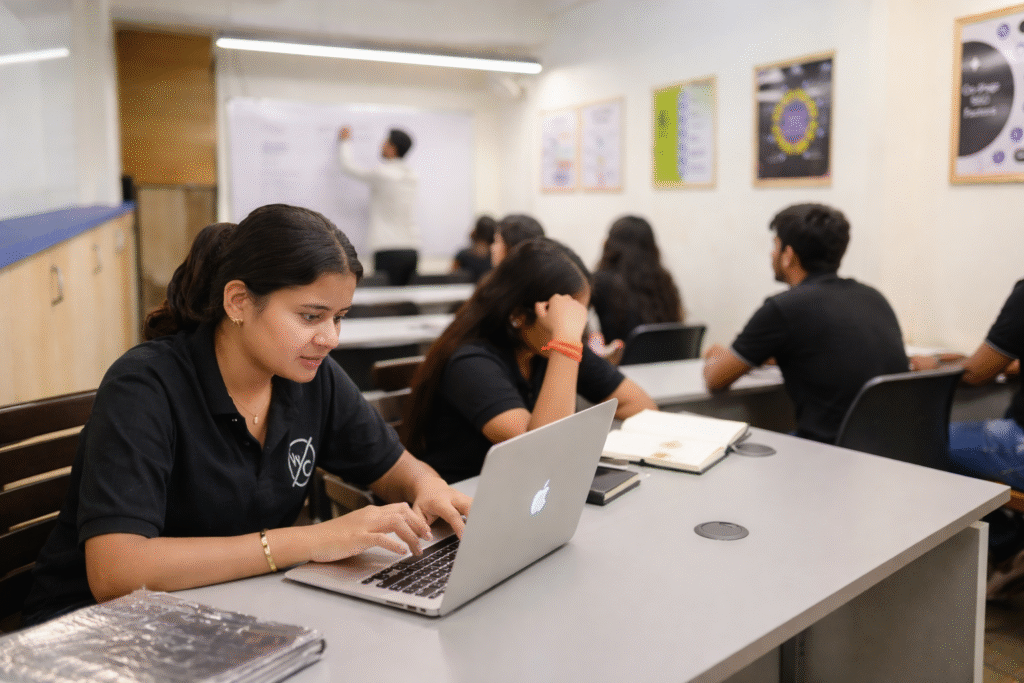
Institutes like WedCell Institute focus on combining classroom learning with practical exposure so that students gain real industry experience before starting their careers.
Such training helps students develop confidence, industry connections, and practical problem-solving abilities.
Selecting the right institute can significantly impact your career in event management.
When choosing an institute, students should consider:
Industry-focused curriculum
Experienced faculty and mentors
Opportunities for live event exposure
Internship and placement support
Networking opportunities in the event industry
Institutes that combine professional training with practical experience help students prepare for real-world challenges.
The future of the event industry looks extremely promising. With the rise of destination weddings, brand experiences, corporate events, and entertainment festivals, the demand for professional event planners continues to grow.
Technology is also transforming the industry through hybrid events, digital marketing, and immersive event experiences.
Students who pursue an event management bachelor degree today will have access to exciting career opportunities across the global event industry.
The event industry is fast-paced, creative, and full of opportunities. Pursuing an event management bachelor degree is one of the best ways to develop the skills required to succeed in this field.
From event planning and creative design to vendor coordination and crisis management, this degree equips students with the knowledge needed to execute successful events.
With proper training, practical exposure, and the right mentorship, aspiring professionals can build a successful career in event planning and become part of one of the most exciting industries in the world.
Institutes that focus on real-world experience and industry exposure help students gain the confidence needed to thrive in the event management profession.
Copyright All Rights Reserved @ 2025