
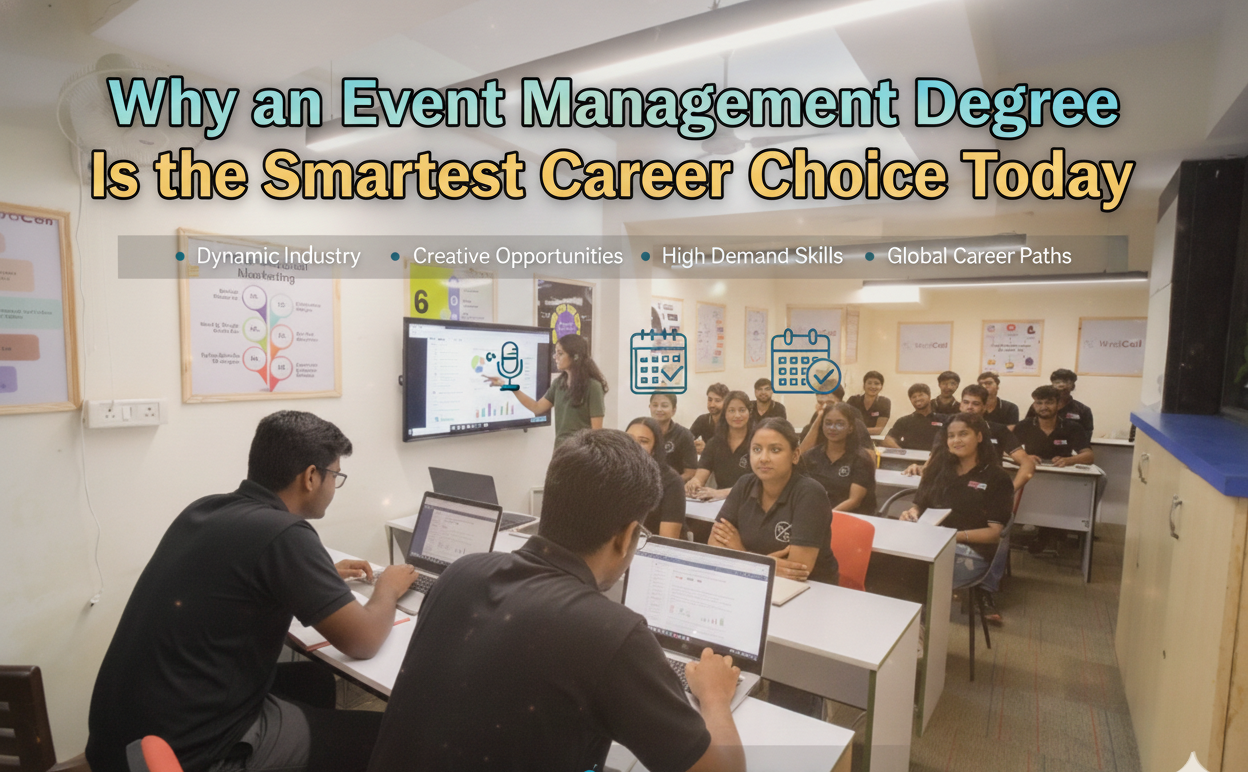
The world of events has changed dramatically over the last decade. What was once seen as a purely creative or seasonal profession has evolved into a structured, high-growth industry that combines creativity, business strategy, marketing, and operations. From luxury weddings and destination celebrations to corporate conferences, exhibitions, brand launches, and live entertainment, events today are powerful experiences that demand professional expertise. In this rapidly expanding landscape, choosing an event management degree has become one of the smartest career decisions for students and young professionals.
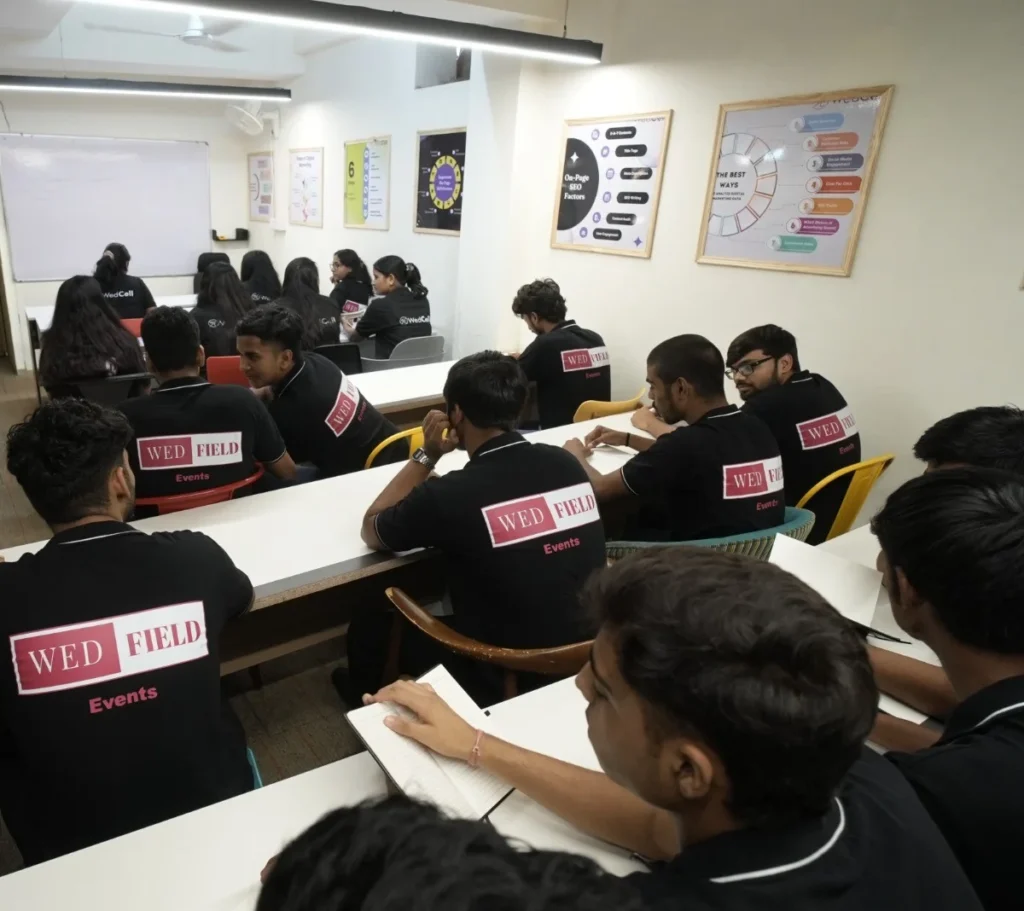
The global and Indian events industries are experiencing consistent growth. Corporate brands are investing heavily in experiential marketing, weddings have become larger and more personalized, and exhibitions and conferences are expanding across industries. This growth has created a strong demand for trained professionals who can plan, manage, and execute events seamlessly.
Unlike earlier times, clients today expect flawless execution, creative concepts, budget control, and risk management. These expectations have made formal education essential. An event management degree provides the structured knowledge and practical exposure needed to meet modern industry standards.
Talent and passion are important, but they are no longer enough on their own. The events industry has become highly competitive, with clients and employers preferring professionals who have formal training. An event management degree gives you credibility and shows that you understand the business side of events, not just the creative elements.
Through a degree program, students learn planning methodologies, operational frameworks, legal aspects, budgeting techniques, and client management skills. This professional foundation sets degree holders apart from those who rely only on experience or short-term courses.
One of the biggest advantages of an event management degree is the wide range of practical skills it offers. Students are trained in event conceptualization, logistics planning, vendor coordination, budgeting, marketing, and execution. They also learn how to manage teams, communicate with clients, negotiate contracts, and handle last-minute challenges.
These skills are essential in real-world event scenarios where pressure, deadlines, and expectations are high. A structured degree program ensures that students are not learning through trial and error but through guided, hands-on training.
An event management degree opens doors to multiple career paths. Graduates can work in wedding planning companies, corporate event firms, hospitality brands, exhibition and conference organizations, entertainment companies, and marketing agencies. Popular job roles include event manager, wedding planner, corporate event specialist, event marketing executive, and operations manager.
For those with entrepreneurial ambitions, the degree also provides the knowledge needed to start an independent event management or wedding planning business. The flexibility and diversity of roles make this career choice especially attractive.
The events industry rewards experience, skill, and reputation. While entry-level salaries vary, professionals with an event management degree often grow faster in their careers compared to those without formal education. With experience, professionals can move into senior roles, handle high-budget events, or specialize in luxury weddings and corporate branding events.
Freelancing, consulting, and entrepreneurship further increase earning potential. Over time, the return on investment for a professional event management degree can be significant.
Event management or masters in event management is one of the few careers that allows you to blend creativity with business thinking. While creativity helps in designing unique experiences, business skills ensure profitability, efficiency, and scalability. An event management degree teaches students how to balance both aspects effectively.
Students learn how to create impactful concepts while managing budgets, timelines, and resources. This balance is what makes trained event managers highly valuable in today’s market.
The skills gained through an event management degree are transferable across industries and geographies. Planning, communication, budgeting, leadership, and problem-solving are valuable skills in many professional fields. This makes the degree versatile and future-proof.
With globalization and destination events on the rise, trained event professionals also have opportunities to work on international projects, collaborate with global brands, and expand their careers beyond local markets.
With the events industry becoming more organized and professional, now is the ideal time to pursue an event management degree. Employers and clients increasingly value structured education, and institutes offering practical training and industry exposure give students a strong advantage.
As the industry continues to grow, early entrants with professional qualifications will be better positioned to secure leadership roles and long-term success.
Choosing an event management degree today is not just about following a creative passion—it is a strategic career decision. The degree offers professional credibility, practical skills, diverse career opportunities, and strong growth potential. In a fast-paced, experience-driven world, trained event managers are in constant demand.
For anyone who enjoys planning, creativity, teamwork, and execution, an event management degree is one of the smartest and most rewarding career choices available today.